You May Have a Color Deficiency and Not Know It.
Most people with color vision deficiency were never formally tested. This 60-second screening checks for red-green deficiencies, the most common and most overlooked vision condition in adults.
What number do you see?
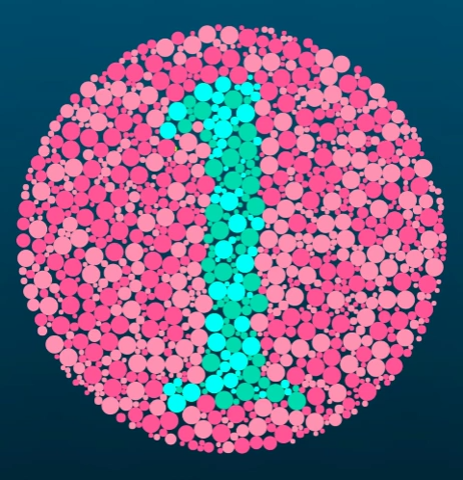
An example Ishihara color plate. The number visible to you reveals how your eyes process color.
Undetected color deficiency has real consequences.
It affects more than what you see. Careers, safety, and everyday tasks are all impacted, and most people only find out when it causes a problem.
Career restrictions
Aviation, military, electrical, and medical careers require passing a color vision test.
Undetected issues can disqualify you before you even start.
Safety risks
Misreading traffic lights, warning signals, and color-coded systems can lead to real-world mistakes.
In high-stakes situations, those mistakes matter.
Daily friction
Matching clothes, reading charts, navigating maps.
Small frustrations most people ignore, but they add up every single day.
Clinically-modeled screening,
in under a minute.
-
01
Red-green color deficiency
Deuteranopia and protanopia affect roughly 8% of men. Most people who have it have never confirmed it with a test.
-
02
Color perception accuracy
Tests how accurately your eyes differentiate between hues close on the spectrum, particularly in the red-green range.
-
03
Screening recommendation
Your result tells you whether your color vision falls within normal range, or whether a professional evaluation may be worth pursuing.
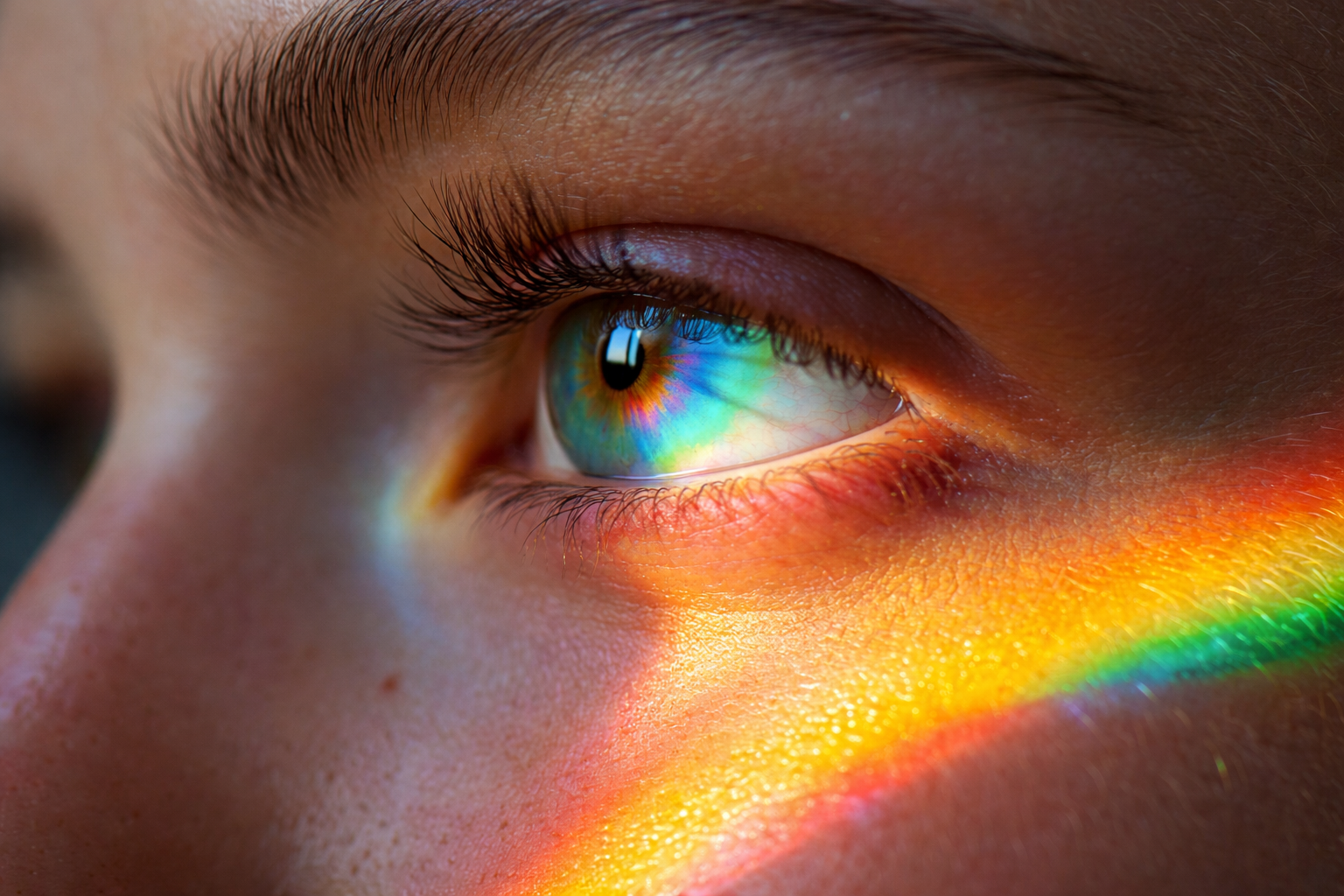
Find out how you really see.
Free, instant, and no account required. Used by optometrists and recommended for anyone who has never had a formal color vision screening.